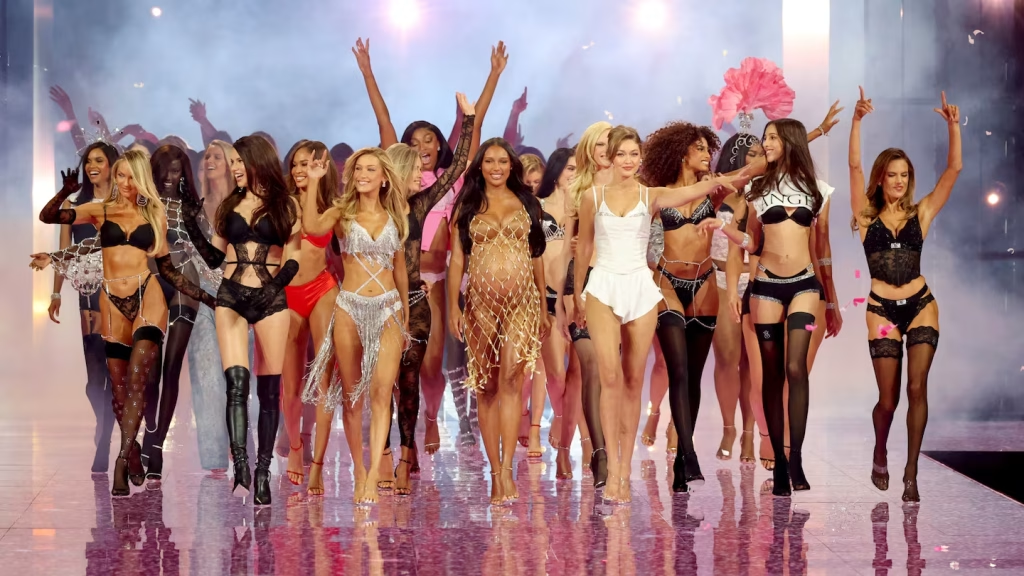
16 October 2025 – In a bold resurgence, Victoria’s Secret recently revived its iconic “Sexy” branding with a new fashion show, aiming to reclaim its foothold in the lingerie and lifestyle sector. But while the spectacle generated buzz, critics argue that resurrecting the old “sexy” narrative feels tone-deaf in today’s world, and risks alienating the very audience it hopes to woo.
The comeback show leaned heavily into glitz: high-wire models, daring cuts, dramatic lighting, and provocative choreography. The visual was unmistakably Victoria’s Secret, playing on nostalgia and the brand’s classic identity. But many observers say that in 2025, “sexy” can’t be recycled from 2005 — expectations have evolved.
A Brand Identity at a Crossroads
Victoria’s Secret once dominated beauty and lingerie culture with its bold, hyper-feminine imagery. But over time, the brand fell out of favor as consumer tastes shifted toward body positivity, inclusivity, and lived authenticity. The hiatus, rebranding efforts, and public pushback forced the company to reckon with changing norms.
This new show seems to indicate a deliberate attempt to reclaim the former image. Yet, critics contend it lacks the nuance needed today, the aggressive display may feel performative and disconnected from the real women and complex identities that modern customers embrace.
The Risk of Repeating the Past
Revivals of bold legacy branding always carry tension. Too much resemblance to the past can evoke the mistakes of that past, exclusion, narrow beauty norms, and objectification. Yet going too far from legacy may empty the brand of identity. Victoria’s Secret is walking a tightrope.
Detractors highlight that fashion and social media culture now demand transparency, ethical production, authentic narratives, and representation. A spectacle that prioritizes shock factor over substance may seem retrogressive.
What This Says About the Fashion Landscape
- Spectacle still sells: The show undeniably got attention, media coverage, and conversation. The brand knows how to stage moments.
- Legacy brands must evolve, not relive: To stay relevant, legacy fashion houses must reconcile their past with contemporary cultural values.
- Audience skepticism is high: What was once aspirational can now feel prescriptive or alienating. Brands must earn trust, not assume it.
- The middle ground is narrow: Reinvention, not simple revival, is the path forward.
Victoria’s Secret may succeed at reclaiming attention, but whether it rebuilds relevance in the hearts of consumers depends on whether this return to sexy feels fresh, not retrogressive.
